Alps Secrets
_____
DON'T MISS THE RELATED VIDEO LINK AT THE BOTTOM OF THE ARTICLE
For many fly anglers, the thought of casting a fly into a pristine alpine mountain stream represents the very essence of trout fishing. Crystal-clear water, breathtaking scenery, and wild trout combine to create an experience unlike any other. Yet beneath this picturesque setting lies one of the most demanding forms of fly fishing. Success in these waters is rarely accidental, and many experienced anglers discover that techniques which consistently produce fish elsewhere often fall short in the alpine environment. Traditional fly-fishing literature places great emphasis on understanding insect hatches and selecting the perfect imitation to match what trout are feeding on. While this knowledge remains valuable, alpine streams frequently challenge these long-established principles. The unique characteristics of high-country waters introduce a complex combination of environmental conditions, fish behaviour, and constantly changing variables that cannot always be addressed through conventional approaches alone. This is why many anglers find themselves wondering why seemingly ideal water produces very few fish despite careful fly selection and accurate casting. They move from pool to pool, confident in their experience, only to watch the day unfold with little to show for their efforts. Meanwhile, another angler quietly works through the same stretch and consistently hooks trout that others never even realised were present. The difference is rarely luck.
Fishing successfully in alpine streams requires a collection of specialised skills that are seldom discussed in detail. Reading the water is only one small piece of a much larger picture. Every movement, every decision, and every approach can influence the outcome long before a fly touches the surface. Factors such as terrain, water clarity, stream structure, light conditions, current speed, and countless subtle cues all contribute to whether trout remain undisturbed or disappear before the first cast is even made. The physical demands of navigating steep mountain valleys add another dimension to the challenge. Efficient movement, careful observation, patience, and an understanding of how to adapt to constantly changing conditions all become essential parts of the experience. These are skills developed over many seasons on the water and often learned only through trial, error, and careful attention to detail. Perhaps the greatest lesson alpine streams teach is humility. Even accomplished fly anglers quickly realise that success cannot be measured simply by casting ability or expensive equipment. Instead, consistent results come from recognising patterns that are often invisible to the casual observer and understanding how small adjustments can dramatically change the outcome. These are precisely the topics explored in this tutorial.
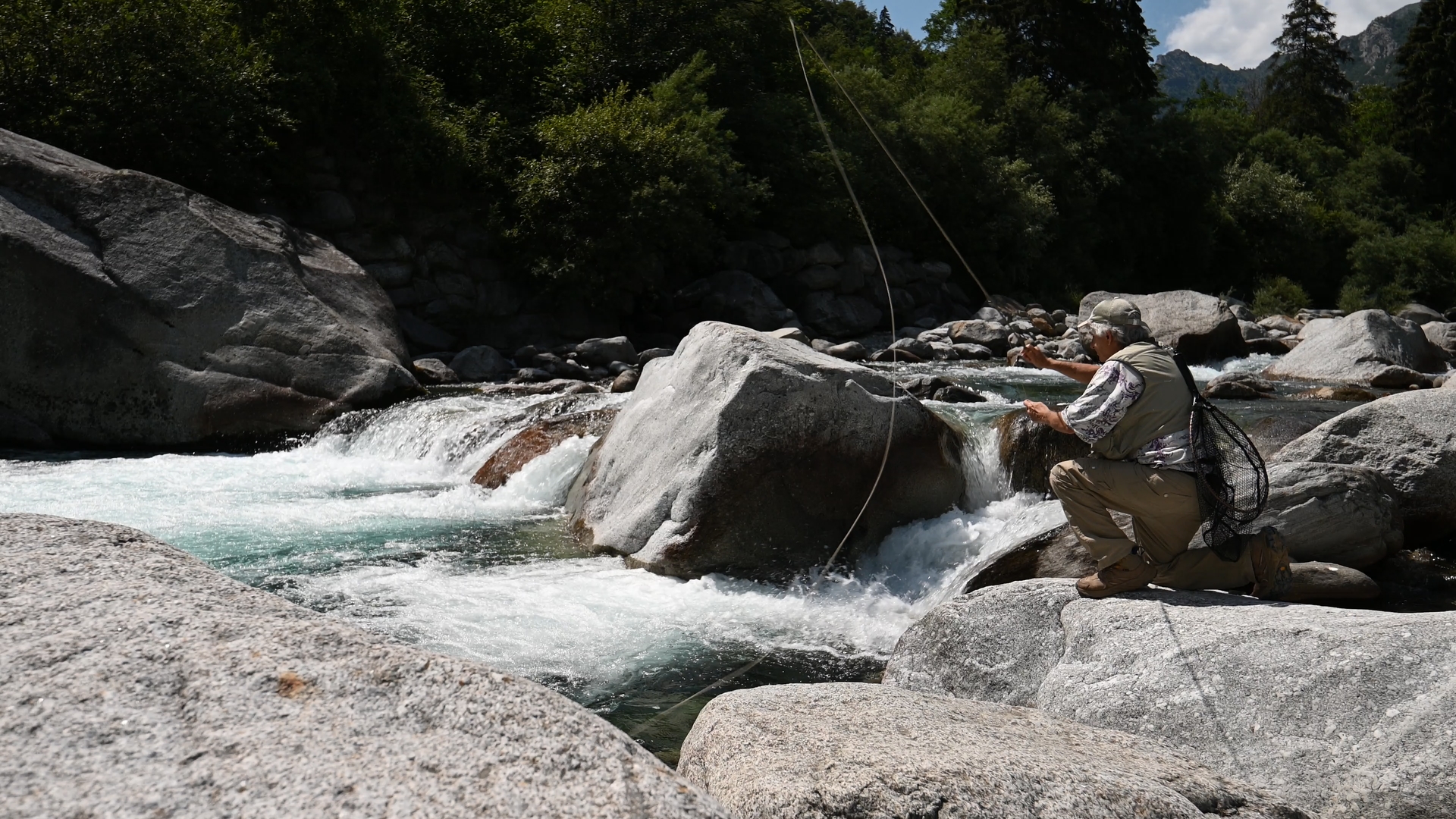
Rather than presenting another overview of fly patterns or repeating familiar advice found in countless manuals, this video focuses on the often-overlooked aspects of alpine trout fishing that truly separate occasional success from consistently finding fish in challenging mountain streams. It examines the thought process behind every stage of the approach and highlights the subtle factors that experienced anglers consider before making a single cast. Whether you are new to alpine fly fishing or have spent years exploring mountain waters, this tutorial offers a fresh perspective on what it really takes to locate and catch wild trout in these demanding environments. You may discover that some of your long-held assumptions deserve to be questioned, and that the biggest improvements often come from changing the way you think rather than simply changing flies. If you've ever watched another angler catch trout from water you believed was empty, or if you've wondered why beautiful alpine streams sometimes seem devoid of life, this video is for you. Join us as we explore the hidden side of alpine fly fishing and uncover the principles that can transform the way you approach mountain streams. The next trout you catch may not depend on what fly you tie on, it may depend on everything that happens before your cast even begins.
_____
MORE FLY FISHING CONTENTS